

Jul 20, 2026
The Untold Story of How Art Basel Chose Miami Beach: The Collectors, Visionaries & City Leaders Who Changed the Art World Forever
Today, Art Basel Miami Beach is recognized as one of the world’s most influential contemporary art fairs, transforming South Florida each December into an international destination for collectors, galleries, museums, artists, and cultural leaders. The inaugural fair ultimately opened in December 2002 after its original 2001 debut was postponed in the wake of the September 11 terrorist attacks. Yet few people know the remarkable story of how Miami Beach was selected over major contenders including New York, Chicago, Los Angeles, and other U.S. cities. The fair’s arrival was anything but inevitable.

Long before the Miami Beach Convention Center welcomed thousands of international collectors and the city’s hotels, restaurants, and cultural institutions became the center of the art world each December, a small group of visionary collectors, civic leaders, developers, and arts advocates recognized something extraordinary about Miami. They believed the city possessed a unique combination of international accessibility, cultural diversity, entrepreneurial spirit, and year-round appeal that no other American destination could match. When Art Basel first began exploring the possibility of establishing a United States edition of its internationally acclaimed fair, several major cities were under consideration, including New York, Chicago, Los Angeles, and other prominent cultural centers. At first glance, Miami Beach seemed like an unlikely choice. At the time, the city’s contemporary art scene was still developing, and December was considered part of South Florida’s quieter tourism season.

What ultimately distinguished Miami was a unique convergence of geography, culture, and vision. Positioned as the gateway between North America, Latin America, Europe, and the Caribbean, Miami had already become an international crossroads where diverse cultures, languages, and creative influences naturally intersected. Its accessibility through Miami International Airport, favorable winter climate, expanding hospitality infrastructure, and growing community of serious collectors made the city an increasingly compelling destination for an international art fair. Just as importantly, Miami possessed an entrepreneurial spirit unlike any other American city. Visionary collectors, developers, business leaders, and civic officials recognized that world-class cultural programming could become a catalyst for economic growth while establishing Miami Beach as a global cultural destination. That collective vision ultimately proved decisive.

Among the earliest and most influential champions of bringing Art Basel to the United States was renowned Miami collector Norman Braman. Together with his wife, Irma Braman, he had become a regular visitor to Art Basel in Switzerland throughout the 1980s and 1990s, developing longstanding relationships within the international art community while assembling one of America’s most respected private collections. As discussions surrounding a U.S. edition of Art Basel began to take shape, Braman strongly advocated for Miami Beach as the ideal location. Leveraging his relationships with Art Basel leadership, local officials, and fellow collectors, he helped introduce key decision-makers to the city’s growing cultural landscape while demonstrating that South Florida possessed both the collector base and the civic support necessary to sustain an event of international significance. His confidence in Miami’s potential proved instrumental in helping Art Basel’s leadership envision what the city could become. Long before the international spotlight arrived, Braman recognized that Miami possessed the ingredients necessary to evolve into one of the world’s leading centers for contemporary art.
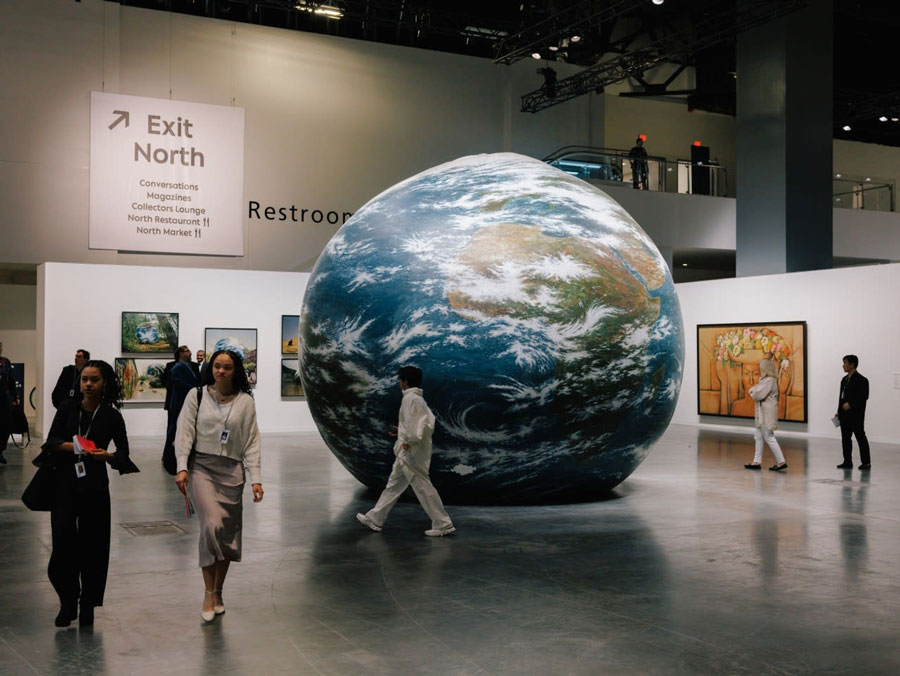
Securing Art Basel Miami Beach required far more than enthusiasm from collectors alone. It demanded collaboration between public officials, business leaders, tourism professionals, and cultural advocates who believed that hosting the world’s premier contemporary art fair would elevate Miami Beach on the international stage. City leaders worked alongside Art Basel executives to address logistical challenges ranging from convention center availability and hotel accommodations to scheduling considerations and municipal support. Miami Beach Mayor Neisen Kasdin, Commissioner Nancy Liebman, publisher Alberto Ibargüen, and numerous civic partners recognized that the fair represented far more than a single annual event. They understood its potential to stimulate tourism, strengthen the local economy, and establish Miami Beach as an international destination for arts and culture. Their willingness to champion the project and demonstrate the city’s long-term commitment ultimately helped secure what would become one of the most transformative cultural partnerships in Miami’s history.

Long before Art Basel arrived, Miami already possessed a dedicated community of galleries, artists, collectors, and curators working tirelessly to establish South Florida as a serious center for contemporary art. Among the most influential figures was renowned gallerist Fredric Snitzer, whose gallery had been championing contemporary artists since the late 1970s and helping introduce important Latin American and Cuban artists to American audiences. When plans for Art Basel Miami Beach began to materialize, Snitzer immediately recognized the significance of bringing the fair to South Florida. He later became a member of the prestigious Art Basel Miami Beach Selection Committee, serving from the fair’s inaugural edition through 2021 while also exhibiting continuously at the fair. Snitzer’s decades of commitment to contemporary art reflected the strength of Miami’s existing arts community. His work, alongside that of numerous galleries, museums, nonprofit organizations, collectors, and artists, helped establish the cultural foundation upon which Art Basel Miami Beach would flourish.

More than two decades after its inaugural edition, Art Basel Miami Beach has transformed the cultural and economic landscape of South Florida. Today, each December attracts thousands of collectors, curators, museum directors, artists, galleries, designers, and art enthusiasts from around the world, generating significant economic activity while reinforcing Miami’s position as one of the world’s leading cultural destinations. Yet the success of Art Basel Miami Beach did not emerge in isolation. It was built upon decades of dedication by local collectors, galleries, museums, artists, nonprofit organizations, developers, and civic leaders who believed in Miami’s cultural potential long before the international spotlight arrived.

Art Basel accelerated Miami’s global reputation, but the city’s creative spirit was already firmly taking root. The fair amplified an arts ecosystem that had been carefully cultivated by passionate individuals who understood that investing in culture could transform not only a city, but its international identity. Today, Miami continues to evolve as one of the world’s most dynamic centers for contemporary art—a legacy that began with the vision, collaboration, and determination of those who believed Miami belonged on the global cultural stage.

As the art world prepares to gather for the 24th edition of Art Basel Miami Beach, taking place December 4 – 6, 2026 at the Miami Beach Convention Center, it’s worth remembering that the fair’s success did not happen overnight. Its rise was made possible through the dedication and commitment of collectors, civic leaders, cultural institutions, galleries, and artists who believed Miami could become an international cultural destination. More than two decades later, that vision continues to shape the city’s identity, reinforce its position as a global arts capital, and inspire future generations of artists, collectors, and creative leaders.
For more information visit: www.artbasel.com
Follow Art Basel on Instagram @artbasel

No Comment